




































































eeling fatigued or experiencing frequent headaches could be signs of an iron deficiency, a prevalent issue among women. Did you know that nearly 20% of women suffer from iron deficiency? This article will delve into the importance of iron, its role in your body, sources to incorporate in your diet, and how to handle iron deficiency.
Keep reading for essential tips on maintaining balanced levels of this vital mineral!
Importance of Iron for Women
Iron plays a crucial role in the body’s functions, including oxygen transport, energy production, and immune system support.
Roles of iron in the body
Iron plays many parts in our body. We need it to make red blood cells. These cells carry oxygen from the lungs to other parts of our body. Iron also helps with brain growth and development.
It keeps our skin, hair, and nails healthy too! Without iron, we may feel tired all the time or get sick often because iron helps fight sicknesses.
Recommended dietary iron intake
Iron is an important mineral for women as it helps in the production of red blood cells and supports overall health. The recommended daily iron intake for women ages 25+ is 18 milligrams (mg).
However, this amount may vary depending on factors such as pregnancy or certain medical conditions. It’s essential to include iron-rich foods in your diet to meet these requirements.
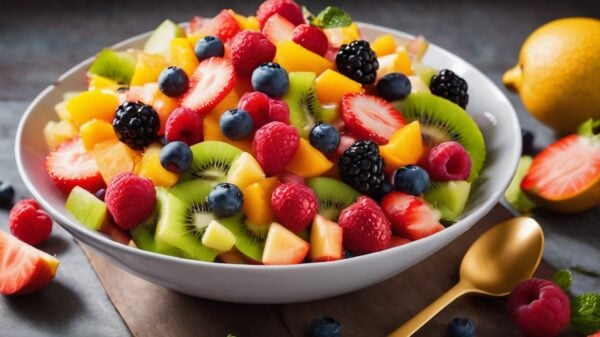
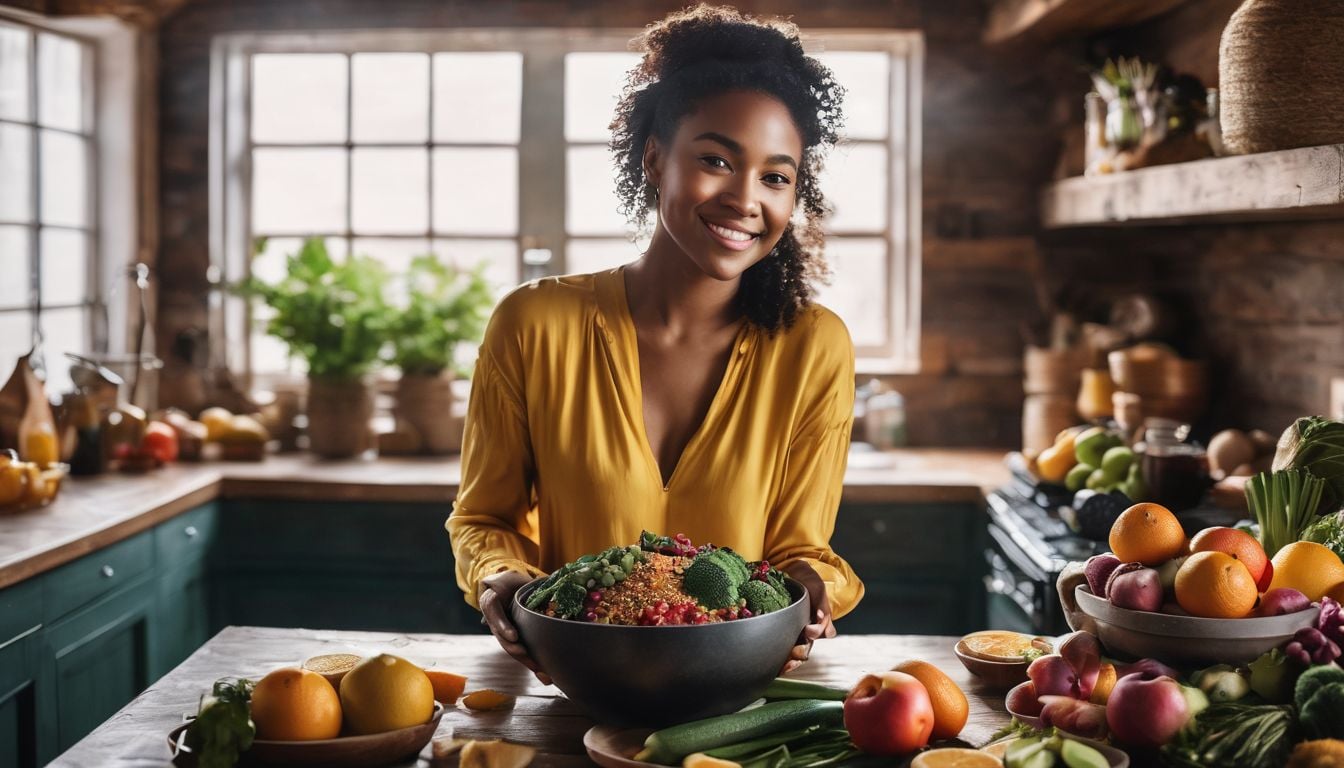
Good sources of iron include lean meats, fish, poultry, beans, lentils, spinach, and fortified cereals. Remember to pair these foods with vitamin C-rich sources like citrus fruits or tomatoes to enhance iron absorption in the body.
Food sources of iron
Iron is an important nutrient for women, and it can be found in a variety of foods. Some good food sources of iron include lean meats like beef and poultry, as well as fish. Plant-based sources of iron include beans, lentils, spinach, and tofu.
You can also find iron in fortified cereals and breads. It’s important to note that our bodies absorb more iron from animal sources compared to plant-based ones. To make sure you’re getting enough iron, try to include a mix of these foods in your diet.
Iron Deficiency in Women
Iron deficiency is especially common in women, especially those who are pregnant or have heavy menstrual periods. It can lead to various symptoms such as fatigue, weakness, pale skin, and difficulty concentrating.
Preventing and treating iron deficiency involves ensuring a sufficient intake of iron-rich foods and, in some cases, taking iron supplements under the guidance of a healthcare professional.
High-risk groups for iron deficiency
Certain groups of women are at a higher risk of developing iron deficiency. Women who have heavy menstrual periods may lose more blood and therefore more iron every month, increasing their risk.
Pregnant women also need extra iron to support their baby’s growth, so they are more susceptible to iron deficiency if they don’t get enough through their diet or supplements. Additionally, vegetarian and vegan women may be at a higher risk because the type of iron found in plant-based foods is not as easily absorbed by the body compared to the type found in animal products.
It’s important for these high-risk groups to pay attention to their iron levels and make sure they’re getting enough through sources like lean meats, seafood, beans, fortified cereals, and leafy green vegetables.
Stages and symptoms of iron deficiency
Iron deficiency can progress through several stages, each with its own set of symptoms. In the early stage, there may not be any obvious signs, but as the deficiency worsens, symptoms start to appear.
Some common symptoms include fatigue, weakness, pale skin, shortness of breath, and difficulty concentrating. Other signs may include brittle nails, hair loss, restless legs syndrome, and a craving for non-food items like ice or dirt.
If left untreated for a long time, iron deficiency can lead to iron-deficiency anemia which further increases fatigue and makes physical activity more difficult. It’s important to recognize these symptoms and talk to a healthcare provider if you suspect iron deficiency so that it can be diagnosed and treated promptly.
Preventing and treating iron deficiency in women
To prevent and treat iron deficiency in women, it’s important to focus on increasing iron intake through dietary sources and, if necessary, supplements. Eating a balanced diet that includes iron-rich foods like lean meats, poultry, fish, beans, lentils, spinach, and fortified cereals can help meet daily iron needs.
Pairing these foods with vitamin C-rich options like citrus fruits or bell peppers can enhance iron absorption. For some women who may not be able to get enough iron from their diet alone or have more severe deficiencies, an iron supplement prescribed by a healthcare professional may be recommended.
Regular blood tests can also help monitor iron levels and ensure proper treatment if deficiency occurs.