










































































Choosing the perfect outfit each morning can be a challenge. A solid grasp of color coordination is essential to mastering fashion choices. Our guide will help you combine colors confidently, transforming your wardrobe with eye-catching ensembles.
Let’s create your style story!
Understanding Color Coordination
The color wheel is essential in understanding how different colors work together to create stunning outfits. By learning about primary, secondary, and tertiary colors, warm and cool colors, shades, tints, and tones, as well as the meanings and psychology of each color, you can master the art of color coordination for your wardrobe.
Color wheel
A color wheel is a helpful tool for putting together outfits that look good. It shows how colors work together and helps you mix them in stylish ways. Picture a circle filled with different hues, like red, blue, and yellow, which are primary colors.
These three main colors mix to make secondary ones: orange, green, and violet. By adding more of one primary color or another, you get tertiary colors.
Using the color wheel makes picking what to wear easier and fun. You can create bold looks with complementary colors that are opposite each other on the wheel. For softer styles, try analogous colors that sit next to each other.
This guide gives your fashion choices harmony and balance without much effort!
Primary, secondary, and tertiary colors
Now that you’re familiar with the color wheel, let’s talk about primary, secondary, and tertiary colors. Primary colors are red, blue, and yellow; they can’t be made by mixing other colors.
By combining these primary colors, you get secondary colors like green, orange, and purple. Tertiary colors come from mixing a primary color with an adjacent secondary color on the color wheel.
Understanding these basic color groups will help you create stunning outfits using harmonious combinations of bold hues or subtle neutrals.
Warm and cool colors
Warm colors like red, orange, and yellow are bold and energetic. They add warmth to an outfit and can make a statement. On the other hand, cool colors like blue, green, and purple create a calm and soothing effect.
They can be more versatile in creating different moods for your outfits.
Understanding warm and cool colors helps you choose the right combinations to express yourself through your clothing choices. By using warm or cool color schemes strategically, you can enhance your personal style effortlessly.
Shades, tints, and tones
Tints, and tones are crucial for creating captivating outfits. Shades are created by adding black to a base color, giving a darker and more intense hue. Tints result from adding white to a base color, producing lighter and softer tones.
Tones are made by adding gray to a base color, achieving muted and sophisticated shades. Understanding these variations empowers you to mix and match colors effectively in your clothing combinations.
Now that we’ve covered the basics of shades, tints, and tones let’s move on to explore different color combinations for stunning outfits!
Color meanings and psychology
Now, let’s delve into the fascinating world of color meanings and psychology. Colors can evoke different emotions and convey various messages in outfits. For example, red is often associated with passion and energy, while blue exudes calmness and trust.
Understanding the psychological impact of colors can help you express yourself through your outfit choices, making a bold statement or creating a harmonious look that matches your mood or personality.
By incorporating this knowledge into your clothing coordination techniques, you can elevate your style game and make a lasting impression with every outfit you wear.
Color Coordination
Experimenting with different color combinations can take your outfit to the next level. From monochromatic looks for a sleek and sophisticated vibe, to complementary colors for a bold and eye-catching ensemble, mastering these color combinations is essential for creating stunning outfits.
Monochromatic Color Coordination
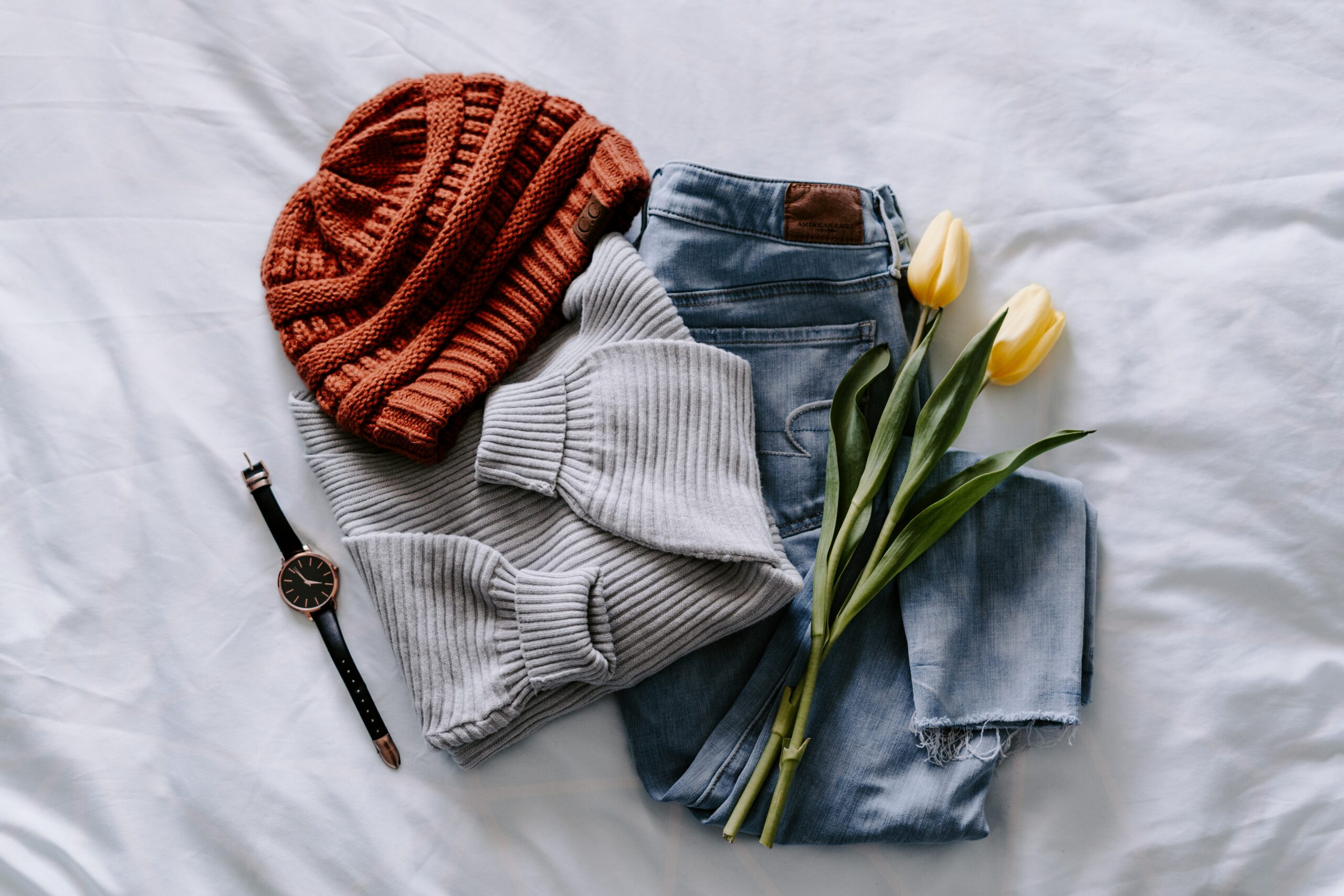
To create a monochromatic outfit, choose different shades of a single color. For example, wear light blue jeans with a dark blue top and navy blue shoes for an elegant look. You can also play with textures to add depth to your monochromatic ensemble, such as pairing a silk blouse with denim or leather.
Accessorize with metallic accents in the same color family to complete the cohesive look.
Experimenting with monochromatic outfits gives you a sophisticated and polished appearance. By mixing different tones of one color, you can effortlessly achieve a stylish and harmonious ensemble that stands out while still being easy to put together.
Analogous
Analogous color combinations are made up of three adjacent colors on the color wheel. This creates a harmonious and cohesive look for your outfit. For example, pairing red with orange and yellow or blue with green and teal can create a visually appealing ensemble.
Analogous colors work well together as they have similar undertones, creating a balanced and pleasant appearance.
When choosing an analogous color scheme for your outfit, consider using different shades, tints, and tones of the chosen colors to add depth and visual interest. By experimenting with analogous color combinations in your wardrobe, you can elevate your style coordination while effortlessly mastering the art of color matching.
Complementary Color Coordination
When choosing complementary colors for your outfit, look for those that are opposite each other on the color wheel. Combine warm and cool tones to create a balanced and eye-catching ensemble.
Pairing blue with orange or red with green can bring an exciting pop of contrast to your look, making it stand out effortlessly.
Experiment with different shades and intensities within the complementary pairs to find what suits your style best. For instance, a soft pastel blue can complement a vibrant coral shade beautifully.
Triadic
Moving on from complementary color combinations, let’s explore triadic color schemes. Triadic colors are evenly spaced around the color wheel, creating a vibrant and balanced look when used together in an outfit.
This combination offers a visually appealing contrast while maintaining harmony. To create stunning outfits using triadic colors, pick one dominant color and use the other two as accents to achieve a well-coordinated ensemble that exudes confidence and style.
When it comes to mastering the art of triadic color coordination in your outfits, understanding how to balance these three bold shades is key. By incorporating this technique into your styling repertoire, you can effortlessly elevate your fashion game and make a memorable statement with your clothing choices.
Square Color Coordination
When using a square color combination, you pick four colors evenly spaced on the color wheel. This creates balance and visual interest in your outfit. You can use this technique to create dynamic and eye-catching looks that will make you stand out from the crowd.
Moving on to “Rectangle,” let’s explore how this color combination can elevate your outfit coordination skills to the next level.
Rectangle Color Coordination
Now let’s explore the “Rectangle” color combination. This scheme uses four colors that are evenly spaced around the color wheel, creating a balanced and vibrant look. To apply this to your outfit, choose one dominant color and use the other three as accents to create an eye-catching ensemble.
Whether it’s with clothing pieces or accessories, embracing the rectangle color combination can take your outfit from simple to striking.
Triangle is another exciting topic in our discussion of mastering stunning outfits through color coordination!